

Miguel Galano









Miguel Galano (Tapia de Casariego, 1956)
Lives and works in Oviedo
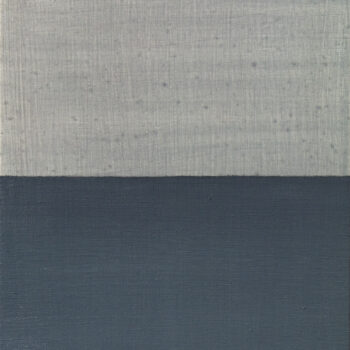
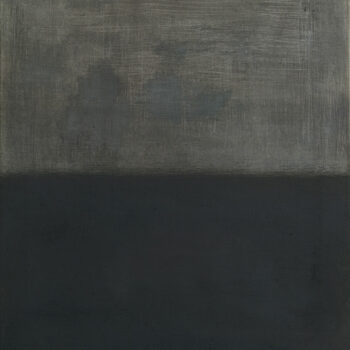
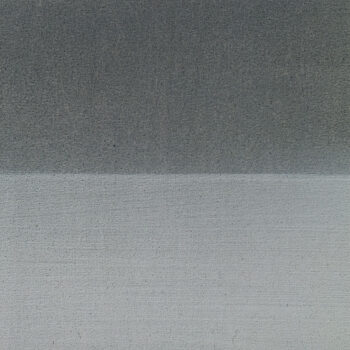
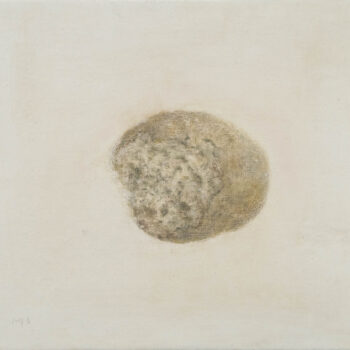
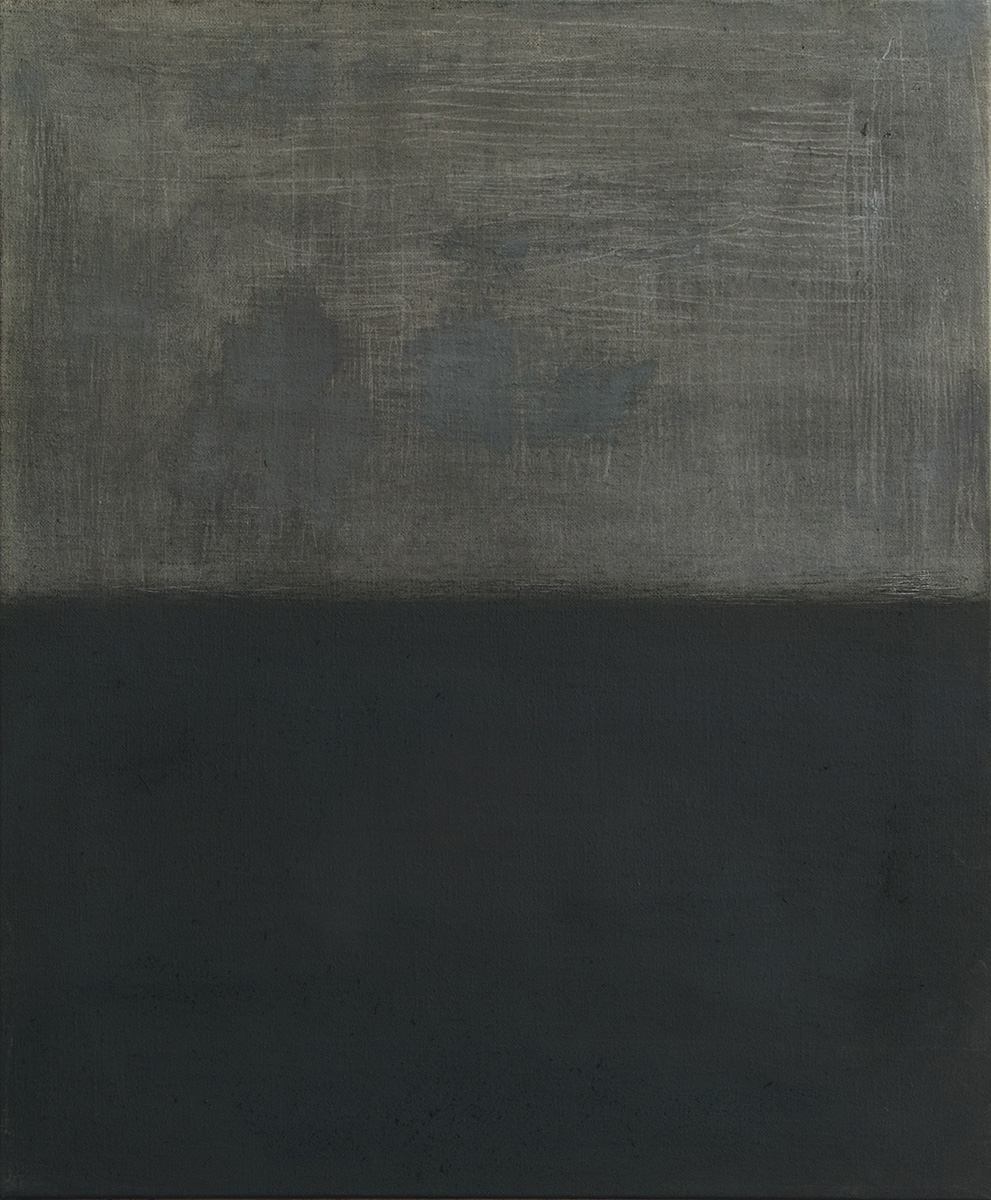
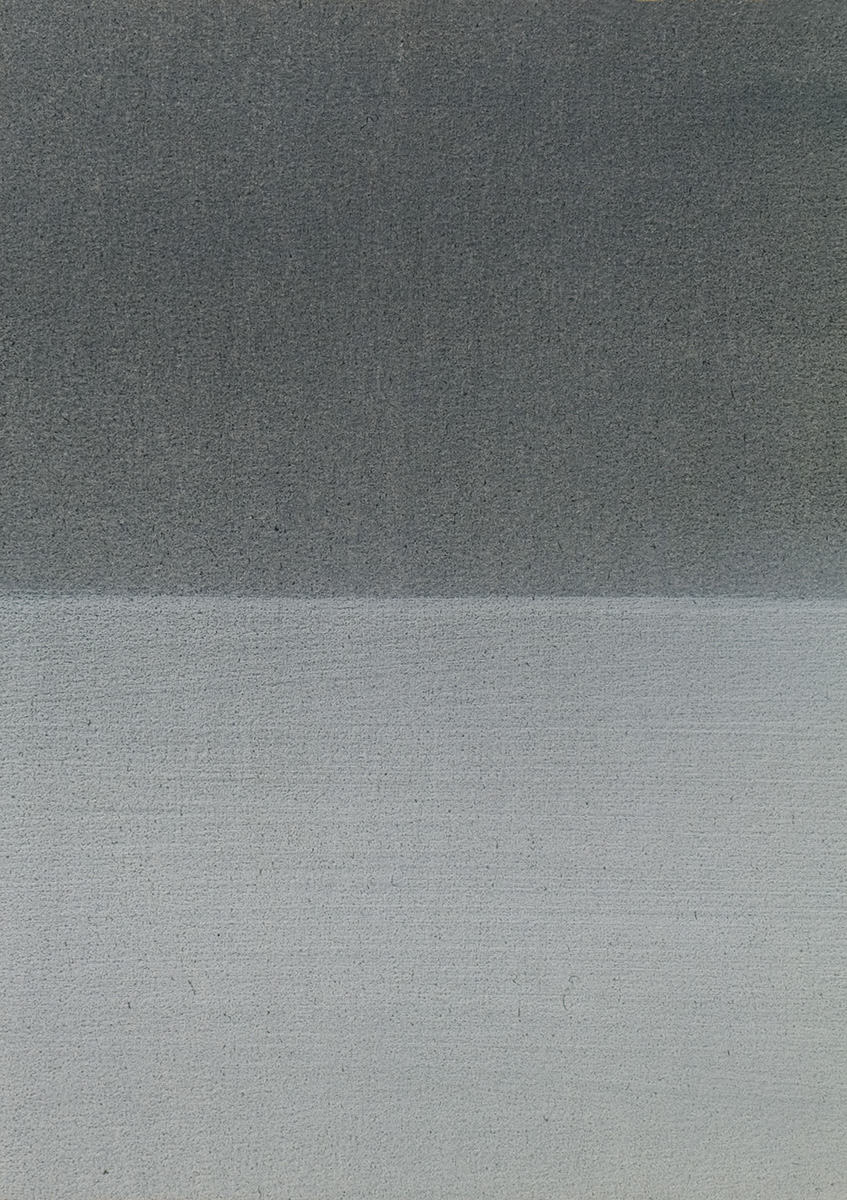
Miguel Galano’s painting is northern in style, in greys and whites, speaking of the world around us and delving into its essence; a timeless, contemplative, exciting and true painting like few others. In the great melancholic tradition of the North, Miguel Galano represents today, within our scene, a very special sensitivity to landscape, to the urban “veduta”, to still life.
Rothko-esque in his seascapes—sometimes bordering on abstraction—Morandi-esque in his still lifes, Fernandez-esque in his linear, geometric, angular drawings, Miguel Galano, who further back in time claims the example of Corot, cannot be reduced to the sublime Rothko, the orderly Morandi, or Luis Fernandez, his fellow countryman. His work bears little resemblance to that of the Spanish neo-metaphysicians, of whom he is a travelling companion and friend. Ultimately, he is himself, an Asturian poet
who resolves his doubts by painting and drawing – and sometimes writing – like the angels, and who knows how to express, usually in small format, what matters to him with very few elements, with a synthetic style that is, I repeat, uniquely his own, incorporating stammering and trembling. What matters to him? Small things: the prose of everyday life in the province, meadows and hills always with a touch of “finis terrae”, the outline of trees against a very white sky, his own face questioned over and over again, at dawn a sombre industrial fortress in western Asturias, a narrow-gauge railway station, the outline of his Clarinesque Oviedo, the rain, snow, a large house far away and long ago in the countryside of Lugo, a secondary road in the same province, a park in Zurich and another in upper Lisbon, the wide Rhine in Basel, the Botanical Garden in Madrid, a Cantabrian breakwater in the fog…
Juan Manuel Bonet, 2006